
Aluminum vs. Wood Show Jump Standards: Which Is Right for Your Barn?
If you're outfitting a new ring, replacing tired equipment, or building out a show's course inventory, the standards you choose matter more than most buyers expect. The material behind a jump standard affects everything from how fast your crew can reset a course to how the equipment looks three seasons from now. Here's how aluminum and wood show jump standards actually compare.
Weight and Handling
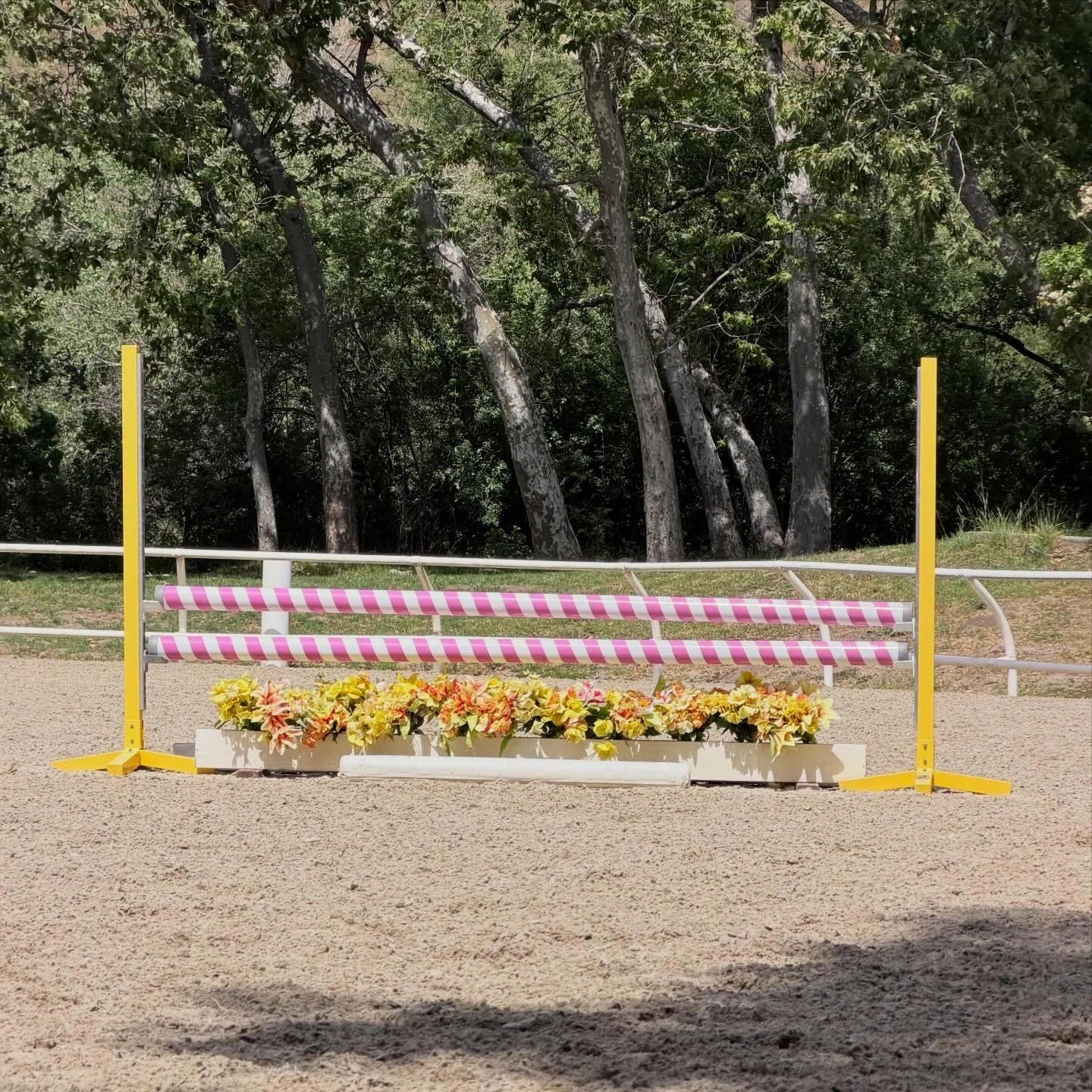
This is where the two materials diverge the most. Aluminum standards are dramatically lighter than wood — often less than half the weight of a comparable wood set — which makes a real difference for any facility resetting courses multiple times a day. Lighter standards mean faster course changes between lessons or classes, less physical strain on show crew and grooms over a long show day, and easier transport for organizers moving equipment between venues.
Wood standards carry real heft, which some trainers actually prefer for the visual weight and traditional look in a hunter ring — but that same weight slows down every reset and adds up over a full season of daily handling.
Durability and Weather Resistance
Wood standards are vulnerable to the two things every outdoor ring has in abundance: moisture and sun. Untreated or poorly sealed wood can swell, crack, warp, or rot over time, especially in humid climates or after repeated exposure to rain and irrigation. Even well-maintained wood sets typically need re-sealing or repainting on a regular cycle to stay functional and presentable.
Aluminum standards don't absorb water, don't warp, and don't rot. A quality powder-coated or painted aluminum finish resists fading and holds its color far longer than painted wood, which means less repainting and a longer usable lifespan for the same piece of equipment — a meaningful difference for a barn or show running standards through years of outdoor use in strong sun.
Maintenance Over Time
Wood standards need periodic upkeep to stay safe and look good: repainting, resealing, and occasional replacement of split or damaged pieces. That's manageable for a single home ring, but it becomes a real time and cost commitment for a show organizer maintaining dozens of standards across a full season.
Aluminum requires far less ongoing maintenance. A well-finished aluminum standard can go multiple seasons with nothing more than routine cleaning, which frees up barn labor and budget for other priorities.
Cost Considerations
Wood standards are often less expensive upfront, which makes them an accessible entry point for a new barn or a smaller schooling program. But that lower initial cost has to be weighed against the ongoing cost of maintenance, repainting, and earlier replacement.
Aluminum standards typically carry a higher upfront cost, but the longer lifespan and lower maintenance burden often make them the better value over a multi-year horizon — particularly for a barn or show running equipment hard, year-round.
Look and Feel
Some disciplines and traditions lean toward wood for its classic, natural appearance in a hunter ring. But modern aluminum standards, especially custom-painted and detailed sets, have closed that gap significantly — offering the same clean, professional look with far more flexibility in color and design, and without the maintenance tradeoff.
So Which Should You Choose?
Choose wood if you're outfitting a low-use home ring, want the traditional aesthetic, and are comfortable with regular maintenance.
Choose aluminum if you're running a busy training program, a show with heavy daily use, or a facility in a hot or wet climate where weather resistance and low maintenance matter most.
For most active hunter/jumper barns and show organizers, the lighter weight, weather resistance, and lower long-term maintenance of aluminum standards make it the more practical choice — especially once you factor in years of use rather than just the first season.
Looking to Upgrade Your Standards?
Pangaia Jumps builds custom aluminum show jump standards designed for exactly this kind of daily, outdoor use — lightweight, weather-resistant, and finished to hold up season after season.
Get in touch with Pangaia Jumps to talk custom colors, course packages, and what's right for your barn or show.
